





















Lab-Grown vs Natural Diamonds: What You Need to Know
Choosing between lab-grown vs natural diamonds is one of the biggest decisions many couples make when shopping for an engagement ring or special piece of jewellery. Both are real diamonds, but they differ in origin, price, perceived value, and ethical impact. This guide walks you through the essentials so you can make an informed decision that matches your budget, style, and values.
What Are Lab-Grown Diamonds?
Lab-grown diamonds are real diamonds that are created in controlled laboratory environments rather than mined from the earth. Scientists replicate the intense heat and pressure conditions found deep underground, using advanced technology to grow diamond crystals from a tiny “seed” of carbon.
Two main methods are used to create lab-grown diamonds:
-
High Pressure High Temperature (HPHT), which mimics the natural conditions in the earth’s mantle.
-
Chemical Vapour Deposition (CVD), where carbon-rich gas is broken down and deposited layer by layer onto a diamond seed.
The end result is a diamond with the same crystal structure, hardness, and brilliance as a natural stone. From a diamond education perspective, lab-grown diamonds are graded in the same way as mined diamonds, using the 4Cs: cut, colour, clarity, and carat weight. To the naked eye, even experts can’t tell them apart without specialised equipment.
What Are Natural Diamonds?
Natural diamonds form deep beneath the earth’s surface over billions of years. Carbon is subjected to enormous pressure and high temperatures, slowly bonding into a crystal lattice structure. Volcanic activity then transports these crystals closer to the surface, where they are eventually mined.
Due to the length of time to form and the fact they are relatively scarce, natural diamonds are often associated with rarity, tradition, and long-term value. Many buyers are drawn to the idea that each diamond is a unique product of the earth’s history. Natural diamonds are also assessed using the 4Cs, and independent grading laboratories issue certificates that describe a stone’s quality in detail.
Lab-Grown vs Natural Diamonds: Key Differences
Although lab-grown and natural diamonds look the same and share identical physical properties, there are some important differences you should understand before you choose.
1. Appearance and Sparkle
In terms of appearance, both lab-grown and natural diamonds can deliver the bright, white sparkle people love. They share the same crystal structure and hardness, so both can be cut to maximise brilliance and fire.
-
Lab-grown diamonds often have very consistent quality, making it easier to find stones with excellent cut and high clarity at a given budget.
-
Natural diamonds can show more variety and unique inclusions, which some people find appealing as part of the stone’s character.
To the naked eye, a well-cut lab-grown diamond and a well-cut natural diamond of the same grade will look virtually identical.
2. Price and Value
Price is one of the biggest differences in the lab-grown vs natural diamonds debate. Lab-grown diamonds generally cost significantly less than their natural counterparts of the same size and quality. In many cases, you might pay 30-70% less for a lab-grown diamond compared with a mined diamond of similar specifications.
This price advantage can be attractive if you:
-
Want a larger carat size without stretching your budget.
-
Prefer to invest more of your budget in the ring design or other life goals.
However, resale and long-term value are where natural diamonds often maintain an edge. The secondary market for lab-grown diamonds is still developing, and resale prices are usually much lower. Natural diamonds, while not guaranteed to appreciate, tend to have stronger demand in the long run. If you view your diamond as a potential heirloom, this may influence your choice.
3. Origin and Traceability
The origin of your diamond is a key part of the ethical diamonds conversation.
-
Lab-grown diamonds have a clear, controlled origin: a laboratory. This makes them relatively easy to trace from production to finished jewellery.
-
Natural diamonds now often come with origin reports or chain-of-custody documentation, but traceability can still vary depending on the mine, supplier, and certification.
If knowing exactly where your diamond came from matters to you, ask your jeweller at Grew & Co what kind of origin documentation they provide for both lab-grown and natural options.
4. Availability and Options
Due to the fact they are made in controlled environments, lab-grown diamonds are increasingly available in a wide range of sizes, shapes, and qualities. This can make it easier to find a stone that precisely matches your preferred specifications and budget.
Natural diamonds are limited by what the earth produces and what is mined. That said, the global market is large, and reputable jewellers typically have access to extensive networks of natural stones. For very specific or rare combinations of size, colour, and clarity, your jeweller may be able source stones on request, whether lab-grown or natural.
Ethical Diamonds: Environment and Social Impact
Ethical diamonds are a major reason many people consider lab-grown vs natural diamonds so carefully. “Ethical” can mean different things to different buyers, but it usually includes environmental impact, human rights, and community benefits.
Lab-Grown Diamonds and Ethics
Lab-grown diamonds avoid many of the social issues historically associated with some forms of mining, such as conflict funding and poor working conditions. This is one reason they are often marketed as more ethical diamonds.
However, lab-grown diamonds are not impact-free. Growing diamonds requires significant energy, especially electricity. The ethical profile of a lab-grown diamond depends on factors such as:
-
The energy mix used (renewable vs fossil fuel).
-
The transparency of the producer.
At Grew & Co, we value quality over quantity and consider the origin of our materials. We source from small scale operations and recycle our materials.
Natural Diamonds and Responsible Sourcing
The natural diamond industry has changed dramatically over the past few decades. Many producers now adhere to strict standards for conflict-free sourcing, worker safety, and environmental management. Reputable jewellers often work only with suppliers who follow recognised standards and certification schemes.
Ethical natural diamond options can include:
-
Conflict-free diamonds that comply with international regulations.
-
Diamonds from mines with strong community and environmental programs.
-
Recycled or “estate” diamonds, which are existing stones reset into new jewellery.
In some cases, antique or recycled diamonds can be one of the most sustainable choices, because they don’t require new mining or new lab production.
Diamond Education: The 4Cs Still Matter
Whether you choose lab-grown or natural, diamond education is essential. The 4Cs determine how your diamond looks, sparkles, and is priced.
-
Cut: The most important factor for beauty. A well-cut diamond, lab-grown or natural, will appear brighter and more lively.
-
Colour: Measures how white or tinted the diamond appears. Many engagement rings fall in the near-colourless range, which offers a balance of beauty and value.
-
Clarity: Describes the presence of internal or external characteristics. Lab-grown diamonds can have different inclusion patterns than natural stones, but both are graded on similar scales.
-
Carat: Refers to the diamond’s weight, which affects its apparent size.
Ask to see independent grading reports from respected laboratories for both lab-grown and natural diamonds. These reports provide an objective description of the diamond and help you compare options side by side.
FAQs: Lab-Grown vs Natural Diamonds
Q. Are lab-grown diamonds real diamonds?
Yes. Lab-grown diamonds are chemically and physically the same as natural diamonds. They are not simulants like cubic zirconia or moissanite. They share the same hardness, brilliance, and fire, and are recognised as real diamonds by major gemmological bodies.
Q. Can you tell the difference between lab-grown and natural diamonds?
With the naked eye, no. A trained gemmologist uses specialised equipment to look for growth patterns and specific inclusions that can indicate whether a diamond is lab-grown or natural. For everyday wear, no one will be able to tell the difference just by looking at your ring.
Q. Are lab-grown diamonds ethical?
Lab-grown diamonds often avoid traditional mining impacts and can be a strong choice for buyers seeking ethical diamonds. However, their ethical profile depends on the producer’s energy use and transparency.
Q. Are natural diamonds ethical?
Natural diamonds can be ethical when they are responsibly sourced. Many modern mines operate under strict environmental and labour standards, and reputable jewellers prioritise conflict-free and traceable supply chains. Recycled or antique diamonds are also a popular choice for buyers who want a natural stone with a smaller new-impact footprint.
Q. Do lab-grown diamonds hold their value?
Lab-grown diamonds generally cost less upfront but usually have lower resale value and weaker secondary markets than natural diamonds. If future resale is important to you, a natural diamond might be the better choice. If you’re focused on getting the most beauty and size for your budget right now, lab-grown can be very appealing.
How to Choose the Right Diamond for You
Ultimately, the best choice in the lab-grown vs natural diamonds debate comes down to your priorities.
Consider these questions:
-
Budget: Are you trying to maximise carat size and sparkle for a specific budget, or is long-term value a major factor?
-
Ethics: Is avoiding mining your top concern, or do you prefer to support responsible natural diamond producers or recycled stones?
-
Sentiment: Does the idea of a rare, earth-formed stone resonate with you, or are you excited by modern technology and innovation?
-
Future plans: Do you see your diamond as an heirloom to pass down, or as a personal symbol you don’t plan to sell?
Both lab-grown and natural diamonds can be beautiful, meaningful, and ethical choices when you buy from a transparent, reputable jeweller. Take your time, ask questions, and use diamond education resources to compare options. With the right guidance from us, you can choose a diamond that reflects your values and tells your story every time it catches the light. Come and see us in our boutique Sydney showroom.
Every Detail Counts
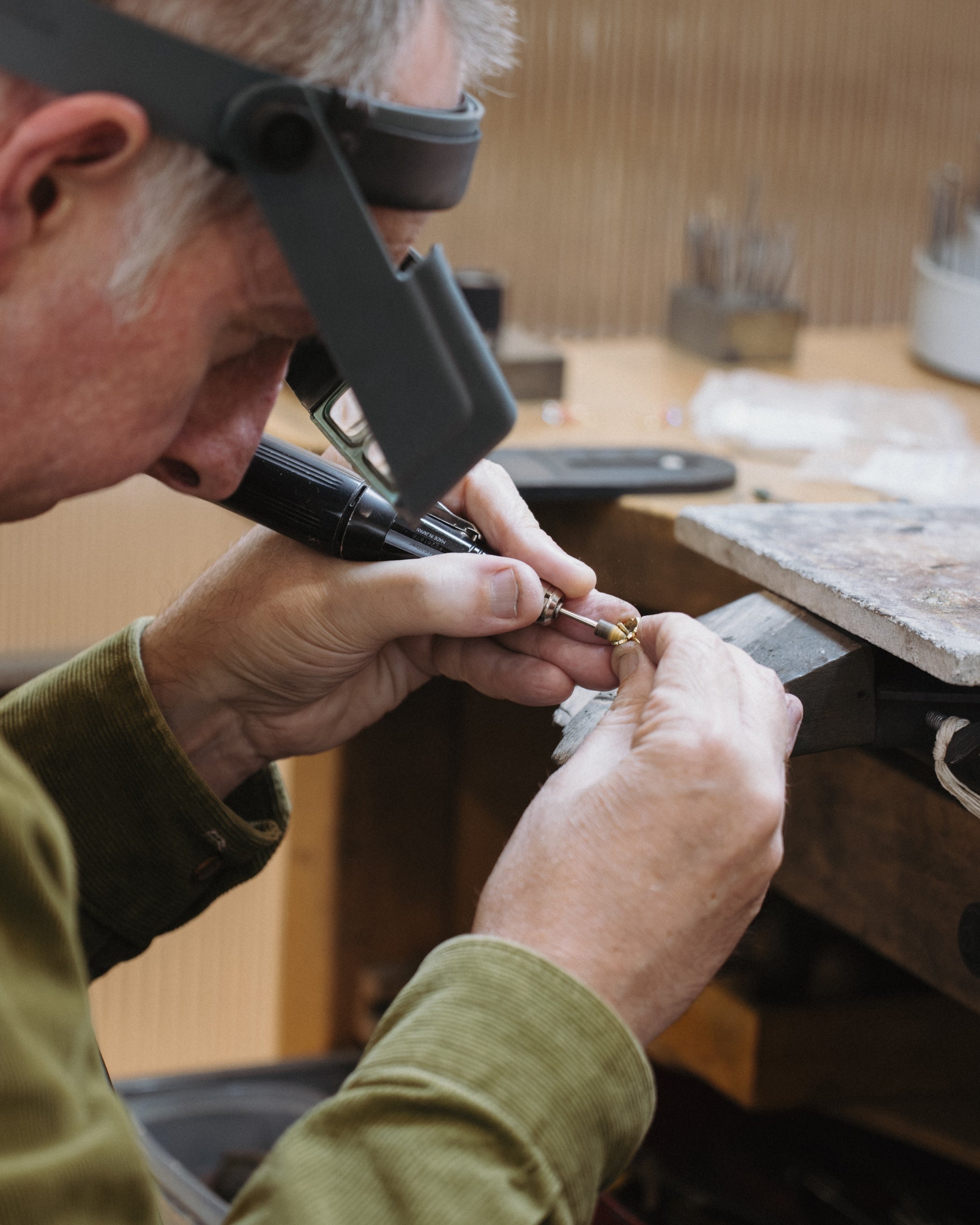
Our designs come to life in our Sydney workshop, where each step reflects the craftsmanship and dedication of our talented jewellers. Explore our values and see what makes every piece unique.
Read more
Choosing between lab-grown vs natural diamonds is one of the biggest decisions many couples make when shopping for an engagement ring or special piece of jewellery. Both are real diamonds, but they...
Choosing between lab-grown vs natural diamonds is one of the biggest decisions many couples make when shopping for an engagement ring or special piece of jewellery. Both are real diamonds, but they...
Choosing between lab-grown vs natural diamonds is one of the biggest decisions many couples make when shopping for an engagement ring or special piece of jewellery. Both are real diamonds, but they...